The High Cost of Free: Why You Should Pay for Privacy
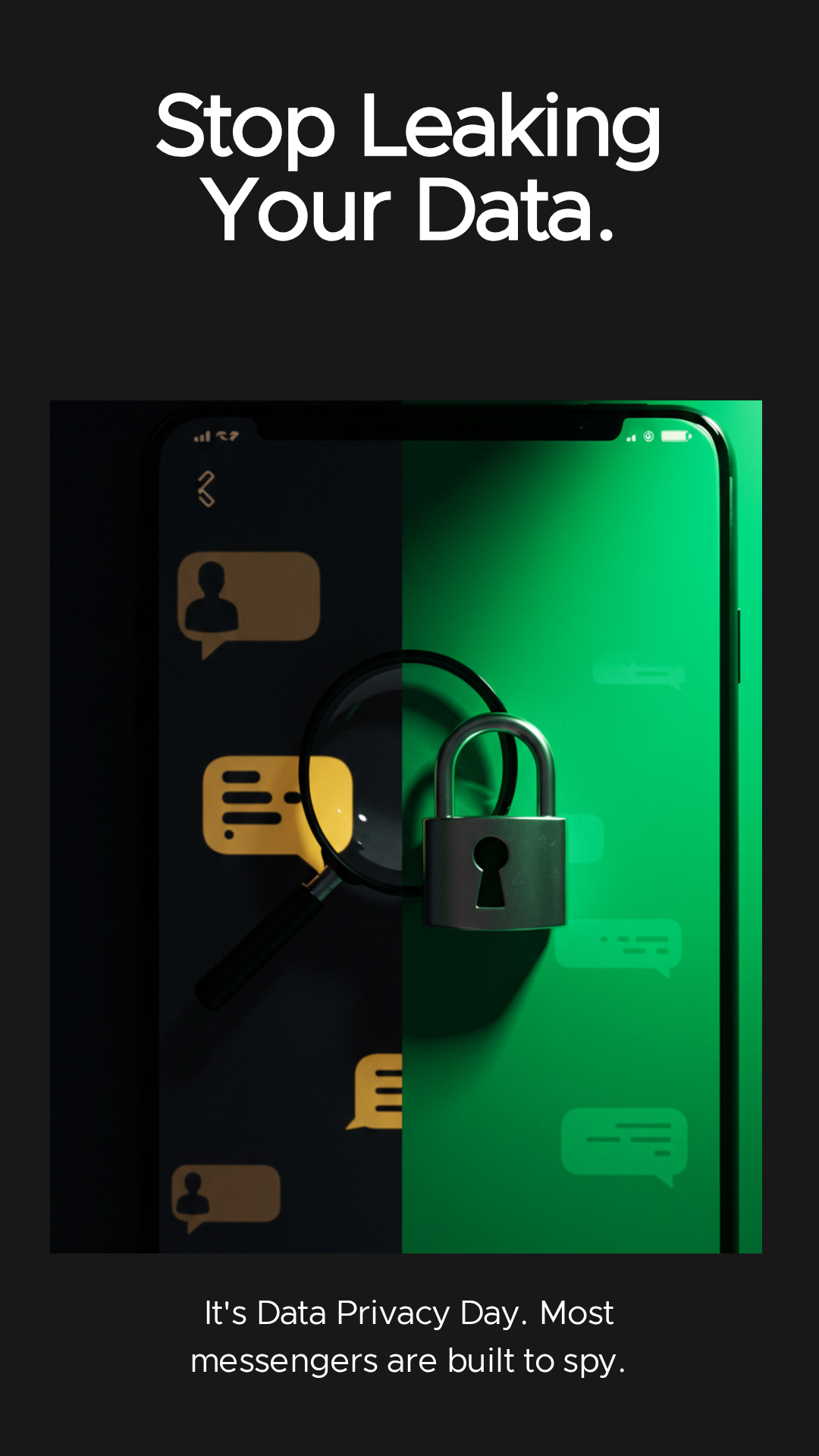
The Illusion of "Free"
In the digital age, we've become accustomed to getting high-quality software for free. Maps, email, social media, and messaging apps—all available without paying a cent. But developing, hosting, and securing these massive platforms costs billions of dollars.
So, how do they keep the lights on?
You Are the Product
The business model of most "free" apps is simple: Surveillance Capability.
When you use a free messaging app, you are not the customer; you are the inventory. These companies collect vast amounts of data about you:
This data is packaged and sold to advertisers, data brokers, and sometimes even governments.
The Conflict of Interest
There is a fundamental conflict of interest between a free app's business model and your privacy.
This is why many "secure" free apps still collect extensive metadata. They might encrypt the message content, but they harvest the "who, when, and where" because that's what makes money.
Why Sustainable Security Costs Money
True privacy requires a clean business model.
1. Alignment of Incentives: When you pay for a service, the company works for you. Their incentive is to build the best, most secure product to keep you as a customer—not to figure out new ways to spy on you.
2. No Data Mining: A paid service doesn't need to sell your data to survive. This allows them to build "Zero Knowledge" architectures where they literally *cannot* see your data, because they don't need it for revenue.
3. Independence: Paid companies are beholden to their users, not to advertisers or third-party investors who demand data access.
The Evercrypted Promise
At Evercrypted, we charge a subscription because we refuse to sell you out.
We build the most secure messaging platform in the world, and we simply ask you to pay a fair price for it. It's a transparent, honest transaction: you pay us, and we protect your secrets.
Security isn't free. But with Evercrypted, the price is on the price tag—not hidden in your personal life.
