How Attackers Can Bypass End-to-End Encryption
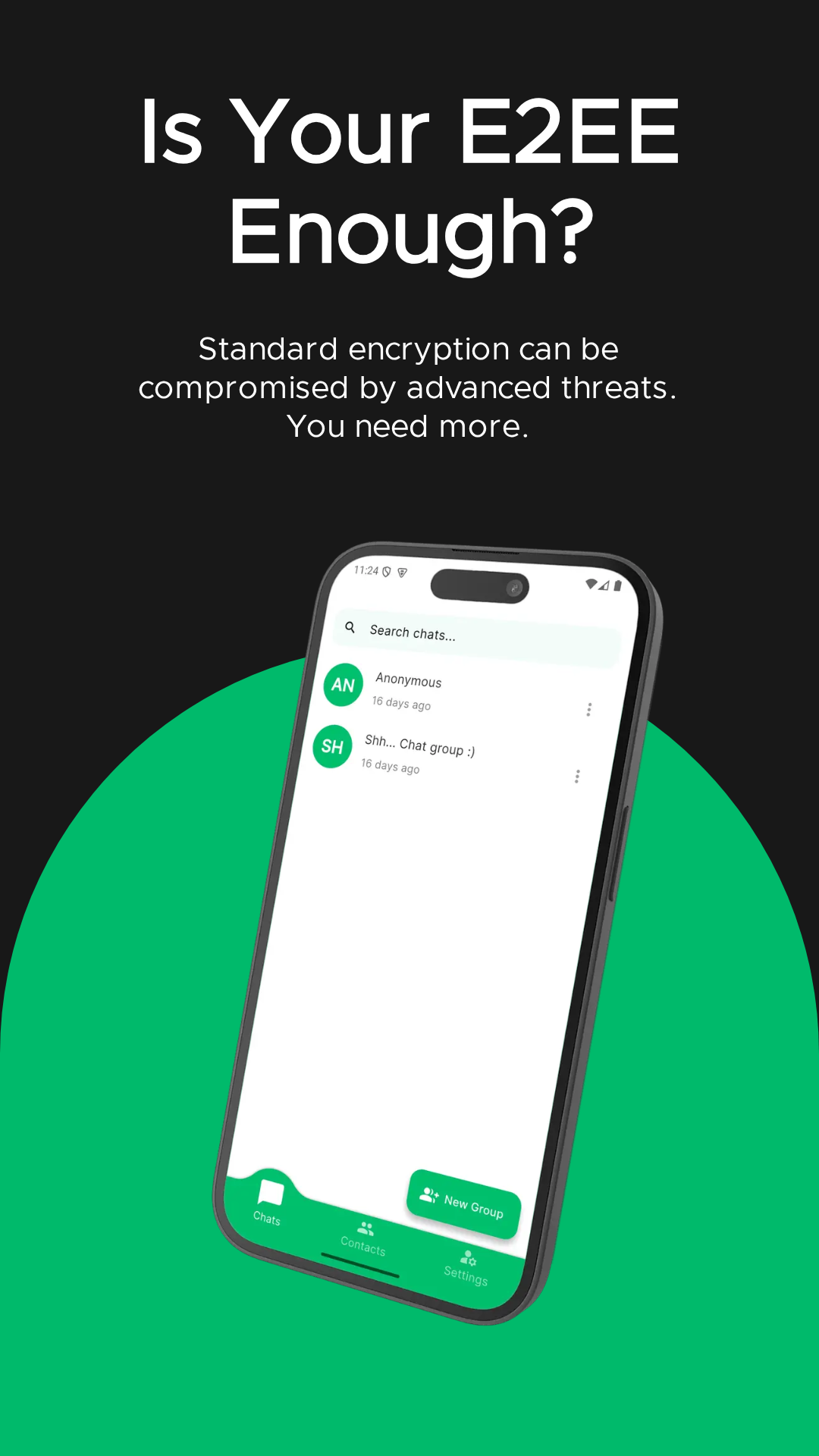
The Limits of End-to-End Encryption
End-to-end encryption (E2EE) is one of the most effective tools for protecting digital communications. However, understanding its limitations is crucial for maintaining true security.
1. Endpoint Compromise
The most common attack vector doesn't target the encryption itself—it targets your device.
Private Key Extraction: If attackers gain access to your device, they can potentially extract your E2EE private keys directly. With your private keys, they can decrypt all your past and future messages—even without keeping access to your device.
Malware and Spyware: Malicious software on your phone or computer can read messages before they're encrypted or after they're decrypted. This includes:
Physical Access: If someone gains physical access to your unlocked device, encryption becomes meaningless. They can read messages directly or copy your private keys for later use.
2. Metadata Analysis
While E2EE protects message content, it often doesn't hide metadata:
This metadata can reveal a surprising amount about your activities and relationships.
3. Man-in-the-Middle Attacks
If an attacker can intercept the initial key exchange, they can position themselves between you and your contact, decrypting and re-encrypting messages as they pass through.
Protection: Always verify security codes or key fingerprints with your contacts through a separate channel.
4. Implementation Flaws
Not all encryption implementations are equal. Common weaknesses include:
5. Social Engineering
The human element remains the weakest link:
6. Server-Side Vulnerabilities
Some "E2EE" services still process data on their servers:
How Evercrypted Addresses These Risks
At Evercrypted, we've designed our platform to mitigate these attack vectors:
Zero-knowledge architecture: We don't know your password so we don't know your private key
Password-based encryption: Add an extra layer that survives endpoint compromise
Minimal metadata: We collect and store the absolute minimum
Open protocols: Built on proven, audited cryptographic standards
No phone numbers required: Reducing identity exposure
Understanding these vulnerabilities helps you make informed decisions about your digital security. True protection requires both strong encryption and good security practices.
